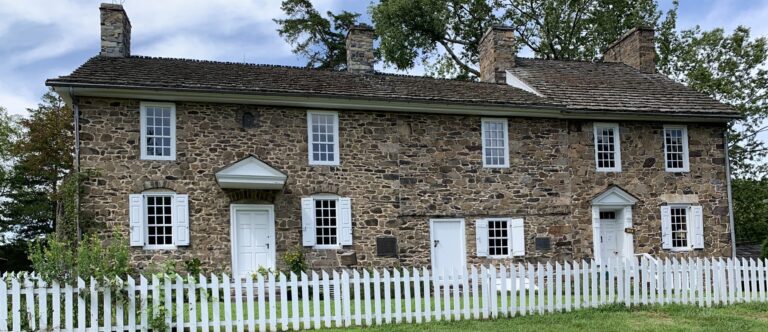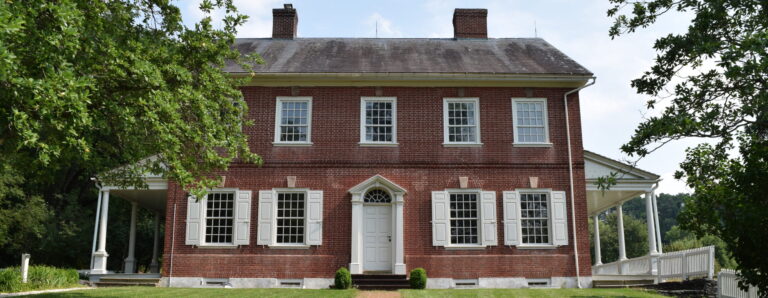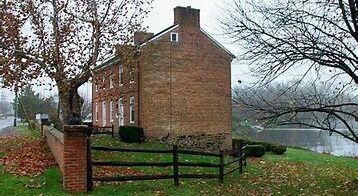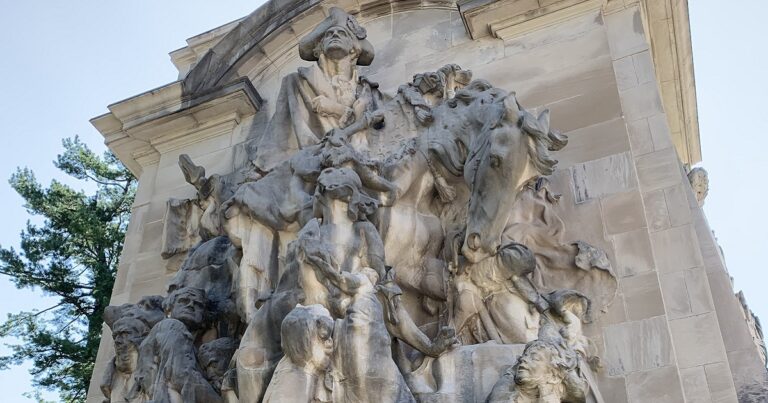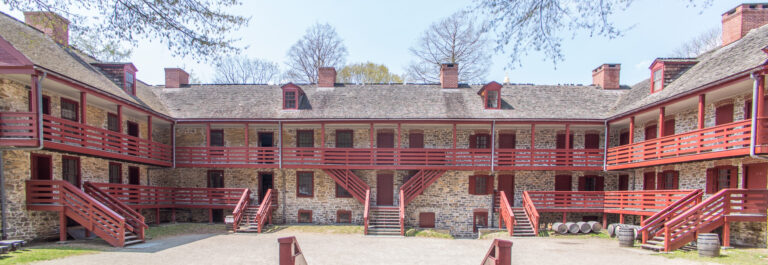
The Old Barracks Museum in New Jersey’s capitol city of Trenton has enjoyed a unique history dating back to 1758, when it was built to house British soldiers during the French and Indian War. A remnant of the eighteenth-century town then in Hunterdon (now Mercer) county, this registered State and National Historic Landmark helps visitors in particular to understand two key military engagements that occurred during the “Ten Crucial Days” campaign of George Washington’s Continental army in the winter of 1776-1777: the Battle of Trenton on December 26, 1776 and the Battle of Assunpink Creek (also known as the Second Battle of Trenton) on January 2, 1777. More generally, the building now known as the Old Barracks offers visitors a singular perspective on the story of its surrounding area.
Its Past
The history of the Old Barracks is characterized by a diversity of uses and distinctions over the past three centuries:
- It is one of five such structures throughout New Jersey built to house British soldiers in the 1750s and the only one still standing.
- At the time it was constructed, this was the largest building in Trenton and the second largest public building in New Jersey after Princeton’s Nassau Hall.
- It is the only surviving and restored military structure left in New Jersey that is associated with the colonial wars predating the Revolution.
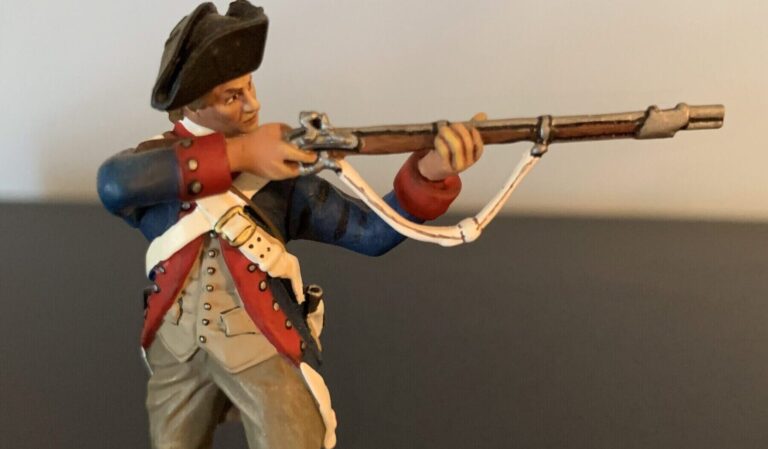
- The original structure was utilized for a variety of purposes during the Revolutionary struggle: holding British prisoners of war, raising four companies of the 2nd New Jersey Continental Regiment, and serving as an army hospital where smallpox inoculations were performed on Continental army soldiers—making this the site of the first mass medical treatment in the Western Hemisphere.
- After the Revolution, part of the building was demolished in order to extend Front Street to the newly erected State House; however, the building continued to meet a variety of community needs over time, as: The Indigent Widows’ and Single Women’s Home Society of Trenton, the residence of the first mayor of Trenton, and a boarding school.
- This site was the object of a joint campaign by the Daughters of the American Revolution and the Colonial Dames at the beginning of the twentieth century, which organized the Old Barracks Association and orchestrated an effort to “Save the Old Barracks.”
- From 1985 to 1998, the structure underwent a multi-million dollar second restoration that resulted in its current appearance, which is thought to be a much more accurate representation of how it originally appeared.
Its Present
Today, the Old Barracks Museum hosts an array of programs and activities designed to inform and entertain people of all ages. These include: onsite tours, virtual field trips for schoolchildren, digital exhibits, a History Summer Camp and Patriots Week events—including the annual Colonial Ball—each December (all subject to current public health considerations), and more.
Yes, the museum is open, but reservations are required to visit. You can purchase tickets in advance here—they are not available at the museum. The admission fee is: $10 for adults, $8 for students, and $8 for seniors (age 62 and up). Admission is free for museum members, active-duty military personnel, and children age five and under.
Tours are available Tuesday through Saturday and begin at 10 am, 12 pm, and 2 pm. Visitors have up to two hours to see the museum and are required to leave by the start of the next tour. While there, check out the Quartermaster’s Store, which offers a wide variety of books and other items relating to the Revolution and early America. Of course, masks must be worn at all times inside the building.
And for anyone who’s interested, several rooms within the Old Barracks are available for group rentals. Find out more here.
Want to Know More?
The Old Barracks Museum is located next to the New Jersey State House, and parking is available nearby at the Capitol Complex Visitor Parking Garage, metered street parking, and other parking garages. The street address is: 101 Barrack Street, Trenton, NJ 08608. For more information, call the museum at 609-396-1776 or visit its website.
When you’re in downtown Trenton, history is right around the corner. It lives at this iconic landmark. Just ask the tens of thousands of people who have come here from across New Jersey and around the globe. And if you’re a Rev War buff living in the Delaware Valley, failing to visit would be, well, revolting.